— CASE STUDY: MARKETING 360 DESIGN SYSTEM
Reimagining Mobile: CRM & Payments
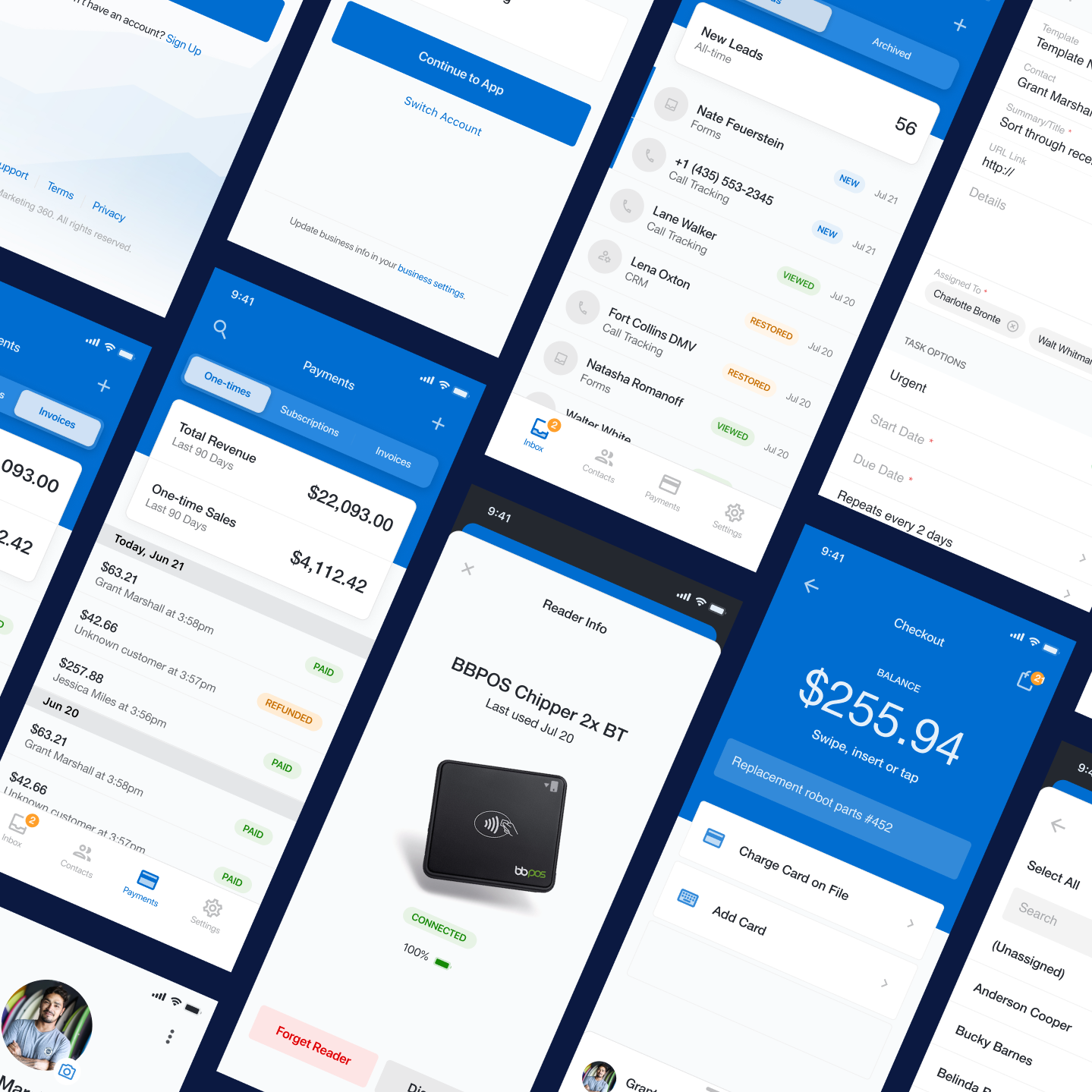
Marketing 360’s CRM & Payments mobile app extends the web platform’s core capabilities into a mobile-first experience, enabling SMBs to create contacts, qualify leads, accept tap-to-pay payments, and issue invoices directly from the field.
iOS Collaboration UX Designp UI Design
Role
Product Designer (Remote)
Platform
iOS
Responsibilities
Research & Testing
UX & UI Design
Timeline
Q4 2021 - Q2 2022
Framework
Figma Library
Overview
A mobile-friendly solution for SMBs
I collaborated on the product design for marketing 360’s official mobile crm platform with engineers, product managers, and stakeholders to centralize the most valued functions of the CRM in a mobile friendly on-the-go format.
Branching off of insights from users and support teams, we learned to make a minimum viable product, the mobile application must include a leads management inbox, a contact management inbox, and an invoicing management tool.
We piloted the tool with a subset of customers to ensure retention and scalability before official launch. After piloting and launching the MVP, we prioritized the next phase of core capabilities based off user input. Of these features, some included the follow: A tap-to-pay payment gateway, a subscription generating feature, and a tasks and reminders function.
To better support the realities of SMB workflows, Marketing 360 needed a native mobile solution that would extend core capabilities beyond the desktop web app.
THE BOTTOM LINE
The Problem
Small business owners often operate away from their desks while interacting with their customers, making it difficult to respond to leads, accept payments, or update customer information in real time.
While Marketing 360’s desktop CRM provides robust tools for managing contacts, leads, payments, and customer communication, many SMB operators (such as service providers, retail owners, and entrepreneurs) spend a large portion of their day in the field or interacting directly with customers. This created a gap between where business interactions were happening and where the platform’s core workflows were accessible.
As a result, critical actions like responding to leads, capturing customer details, or processing payments were often delayed until the user could return to their desktop. These delays introduced friction into revenue-generating workflows, increased the likelihood of missed opportunities, and reduced overall engagement with the platform.
KPIs & performance
The design system was more than just a UI kit for the team. It was the main driver of success, velocity, consistency, and operational efficiency across our product team.
ADOPTION
of components used post-launch
75%
TEAM-WIDE VELOCITY
increased by
80%
DESIGN WORKFLOW
delivery increased by
50%
REDUCING ERRORS
and discrepancies by
65%
Showcasing the design system
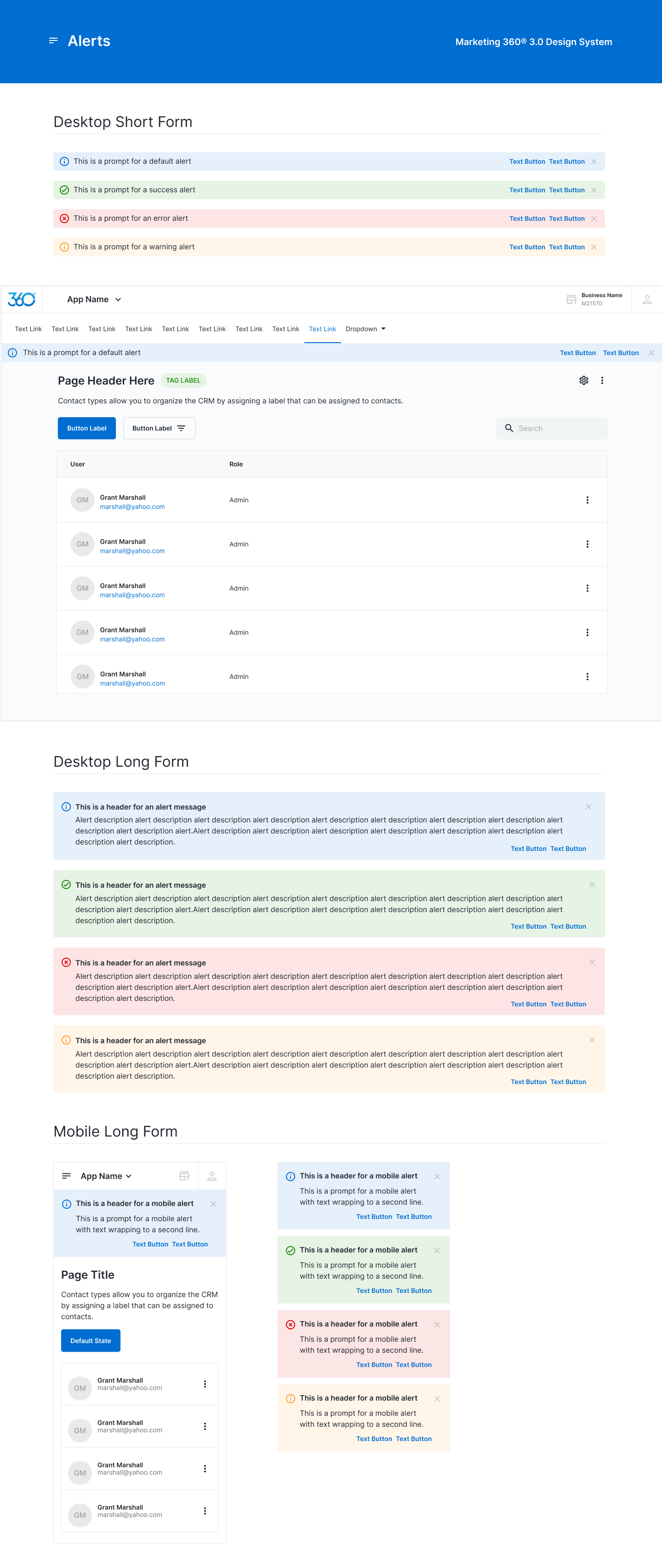
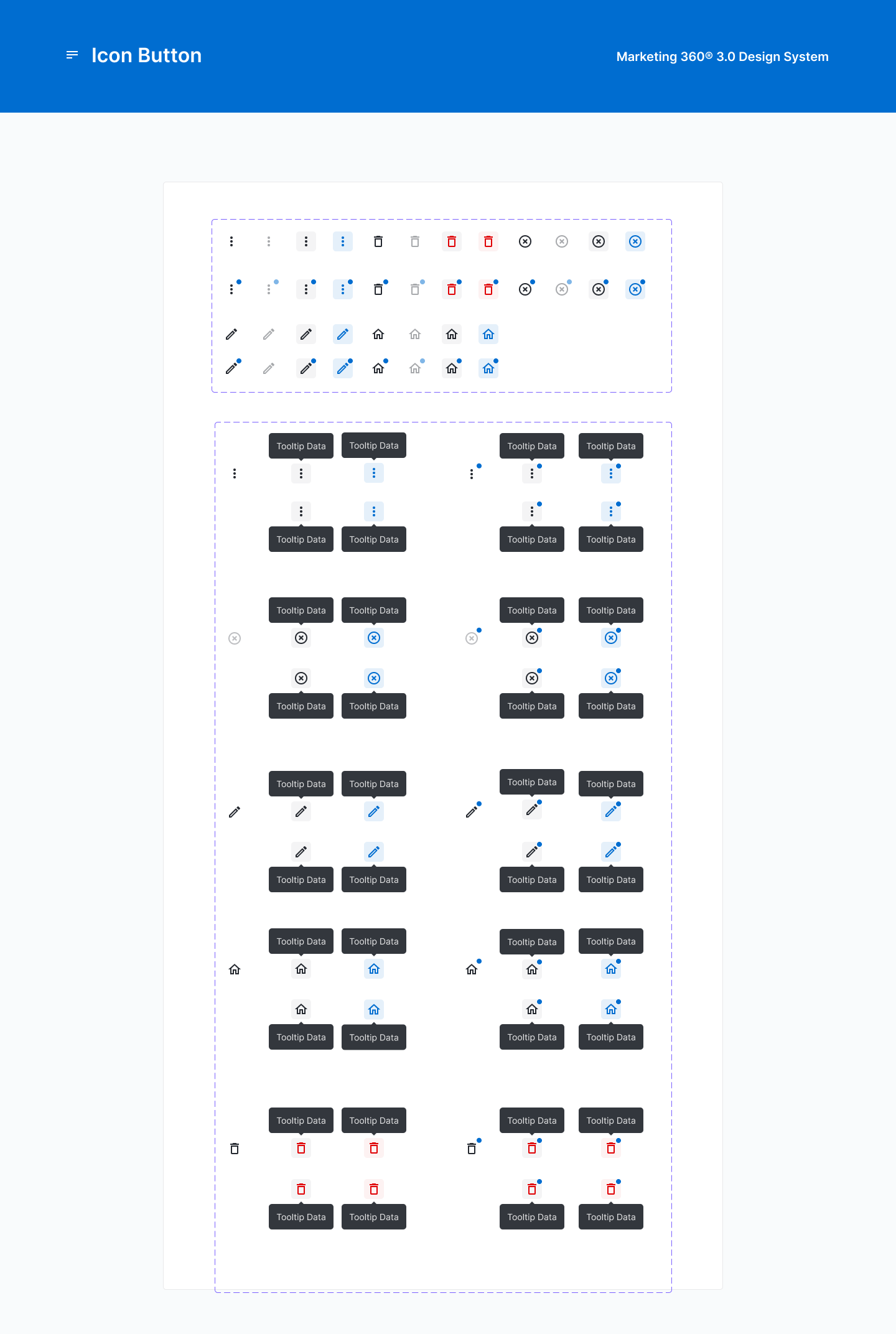
Below are just some of the many token values, UI components and patterns belonging to the Marketing 360 design system: